NINJUTSU ΚΑΙ ΕΛΛΗΝΙΚΕΣ ΕΙΔΙΚΕΣ ΔΥΝΑΜΕΙΣ: Η Αόρατη Δύναμη του Στρατού

Image
Εφαρμογή τεχνικών αυτοάμυνας και μάχης σώματος με σώμα κατά τη διάρκεια εκπαίδευσης. Σύγχρονος Ασύμμετρος Πόλεμος: Πώς οι Αρχές του Ninjutsu και οι Ελληνικές Ειδικές Δυνάμεις Συγκλίνουν στο Σήμερα Στο σύγχρονο πεδίο των επιχειρήσεων, ο πόλεμος έχει αλλάξει μορφή. Οι παραδοσιακές μετώπες έχουν δώσει τη θέση τους σε περιβάλλοντα υβριδικών απειλών, όπου η ψηφιακή επιτήρηση, τα drones και οι ασύμμετρες τακτικές απαιτούν μαχητές εξαιρετικά προσαρμοστικούς, ευέλικτους και ικανούς να επιχειρούν αθέατοι. Μέσα σε αυτό το τοπίο, αξίζει να επανεξετάσουμε πώς δο Bάσεις αρχαίων συστημάτων μάχης και επιβίωσης μπορούν να ενισχύσουν την επιχειρησιακή ετοιμότητα. Όπως είχαμε αναλύσει και σε προηγούμενο εκτενές αφιέρωμα που αγαπήθηκε ιδιαίτερα από το κοινό –όσοι δεν το είδε μπορείτε να το διαβάσετε εδώ – η τέχνη του Ninjutsu δεν έχει καμία σχέση με τα στερεότυπα του κινηματογράφου. Αποτελεί ένα κορυφαίο, δοuμημένο σύστημα στρατηγικής, απόκρυψης, συλλογής πληροφοριών και ανορθόδοξου πολέμου . Η Σχολή ...

The Truth About Toda Sensei

Traditionally in Japan, the young bushi were not taught the fighting techniques by their father but by one of their uncles.
The reason for that is that an uncle was less likely to listen to the screaming of the kid. Learning Budô is painful and as Sensei said once: “if you don’t like pain, then don’t train Budô”. But we can imagine that things were even tougher for a young kid in 19th century Japan.

We know from the stories told by Hatsumi Sensei, that Takamatsu Sensei’s nickname, when he was a kid, was 泣き味噌, nakimiso (crybaby). We also know that Takamatsu’s father was often mad at him for not showing the courage expected to be found in a kid descending from a bushi family. His father was very strict and the young Takamatsu was often physically punished. This was common practice at that time (19th century).
Takamatsu’s father wanted his son to join the army and thought that he needed some training before joining the academy, and for that reason, decided to send his son to Toda Sensei’s “Shinden Fudô Ryû Jûtaijutsu dôjô”.
Takamatsu began his training, reluctantly but with consistency. He was 9 year old only when he began his training with Toda Sensei. He would join training every day after his day at school. The way trainings were conducted at that time was tough and painful. Hatsumi Sensei’s said that even though Takamatsu was a small kid (weak), he was treated by the older students as if he was a grownup, and that he spent his classes being hit and thrown all over the dôjô.
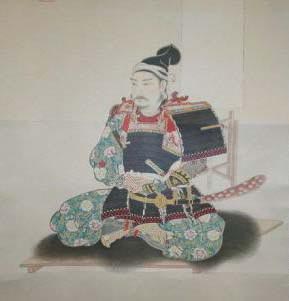
The name Toda Shinryûken Masamitsu is known to all of us in the Bujinkan. He was an instructor at the Tokugawa Military Academy in Nakano-cho in Kyoto* and retired (or resigned) for political/ethical reasons**. He taught at his Shinden Fudô Ryû Jûtaijutsu dôjô supposedly until he died in 1909. When Takamatsu (nakimiso) joined in, Toda Sensei was already very old (1818-1909)***, being 70 years older than the young Takamatsu.
But there is something that many practitioners don’t know. 

Comments

Popular posts from this blog

Ninjutsu & Ninja: Η Τέχνη που Μπορεί να Απογειώσει τις Ελληνικές Ειδικές Δυνάμεις

THE HIDDEN LINEAGE – IN SEARCH OF THE HISTORY OF THE TOGAKURE RYU

Toda Shinryuken Masamitsu